Top Luxury Bathroom Remodeling Trends for 2026 in Castle Rock

A 2026 luxury bath is less “showroom perfect” and more “personal sanctuary”

For affluent homeowners in Castle Rock, Castle Pines, Lone Tree, and Parker, bathroom remodeling in 2026 is shifting toward wellness, tactile materials, smarter storage, and elegant accessibility—without sacrificing the high-end look that makes a primary suite feel like a private retreat. Industry trend reporting for 2026 highlights personalization, comfort, wellness tech, and aging-in-place features designed to look intentional and refined. (nkba.org)

Trend #1: Wet-room style layouts and curbless showers (luxury that’s also practical)

Bigger showers continue to outpace tubs for many homeowners, and in 2026 the most requested “luxury feel” often comes from a shower-first plan: expansive glass, fewer visual breaks, and a barrier-free entry. Curbless showers, integrated benches, and well-placed niches elevate daily comfort while quietly supporting long-term livability (great for multigenerational homes and aging-in-place). (businessofhome.com)

Design details that read “custom” in 2026

• Floating slab or sculpted shower benches
• Linear drains aligned to tile joints for a cleaner look
• Full-height glass with minimal hardware in brushed or matte finishes
• Quiet, high-capacity ventilation to protect finishes

Trend #2: “Tile drenching” and large-format surfaces (less grout, more impact)

If you love a tailored, architectural look, 2026 is leaning into tile-forward rooms—sometimes extending the same tile across multiple planes (floors, walls, even ceilings) for a cohesive, waterproof envelope. Designers call this “tile drenching,” and it’s popular because it looks elevated and performs well in wet areas. Large-format porcelain is also a favorite for the calmer, more seamless look it creates. (bhg.com)

In luxury remodels, the goal isn’t just style—it’s durability. Fewer grout lines can mean easier maintenance, and the right tile choices (including matte finishes in slip-prone areas) support both safety and everyday ease. (businessofhome.com)

Trend #3: Microcement and monolithic finishes (minimalist, warm, and tactile)

One of the most talked-about 2026 bathroom design directions is microcement (and similar plaster-inspired finishes) used to create a seamless, modern surface. The appeal is the “quiet luxury” look: soft texture, fewer transitions, and a spa-like calm that doesn’t rely on flashy materials. (bhg.com)

Where microcement shines

• Wet-room walls and ceilings
• Feature walls behind freestanding tubs
• Minimalist floors paired with radiant heat
• Modern vanities where you want a sculpted, monolithic vibe

Trend #4: Warm, earthy color palettes (goodbye “all-white spathroom”)

The all-white spa look isn’t “out,” but 2026 is clearly warming up. Earthy clay tones, richer browns, and layered natural textures are being used to make luxury bathrooms feel more inviting and collected—especially when paired with stone-like porcelain, warm metals, and natural wood cabinetry. (homesandgardens.com)

Trend #5: Personalized wellness—steam, lighting, smart controls, and “ritual-ready” vanities

Wellness is no longer a bonus feature—it’s becoming a central design goal. 2026 trend reporting points to bathrooms as purpose-built spaces that support daily routines: better organization, layered lighting, and technology that improves comfort. Smart showers, personalized lighting scenes, and wellness upgrades (like steam) are increasingly common in luxury renovations. (bhg.com)

High-impact “daily ritual” upgrades

• Dedicated makeup/grooming station with concealed outlets
• Backlit mirrors + layered task lighting at the vanity
• Heated floors (a Colorado favorite on cold mornings)
• Smart storage: drawer dividers, pull-outs, and charging space

“Did you know?” quick facts for 2026 bathroom planning

Accessibility can look high-end. NKBA reporting notes aging-in-place features are mainstream or nearing mainstream—think curbless showers, integrated benches, and grab bars designed as part of the architecture, not an afterthought. (nkba.org)

Colorado fixture efficiency is a real design constraint (and opportunity). Colorado statutes include WaterSense-related sales requirements for several plumbing fixtures, with some provisions repealing on January 1, 2026—so product selection and availability can depend on what’s currently allowed and stocked. Your remodel team should confirm compliant models before ordering. (law.justia.com)

Federal showerhead rules have been in flux. Recent federal actions and proposed legislation have focused on shower flow definitions—another reason to confirm performance specs early, especially for multi-spray systems. (energy.gov)

Optional planning table: Trend vs. best use-case (and what it tends to cost)

Every home is different, but these pairings can help you prioritize where to invest for the biggest day-to-day payoff.

2026 upgrade Best for Budget note Curbless shower + bench Luxury feel + long-term livability More waterproofing/detail work; worth it when doing a full remodel Large-format porcelain / tile drenching Modern, seamless visuals Material + install skill matter; less grout can mean easier upkeep Heated floors Cold Colorado mornings Often priced per sq. ft. plus electrical work; plan circuits early Wellness tech (smart shower/lighting) Personalization, routine support Great ROI in daily comfort; confirm compatibility and service access Microcement / monolithic finishes Minimalist luxury, fewer transitions Depends on substrate prep and sealing; craftsmanship is everything

What does a bathroom renovation cost in Castle Rock in 2026?

Local guides commonly place a luxury primary bath in ranges that often start around the mid five figures and can extend higher depending on layout changes, custom cabinetry, tilework, and premium fixtures. Sources covering Douglas County and Castle Rock commonly cite ranges such as $50,000–$100,000+ for luxury primary bathrooms, with smaller or mid-range remodels coming in lower. Final pricing depends heavily on scope, material selections, and whether plumbing/electrical is moved. (douglascountyremodel.com)

Local angle: What Castle Rock homeowners should plan for

Luxury bathroom remodeling in Castle Rock often comes down to planning details that protect the investment:

Permits & inspections: Significant bathroom remodels commonly require permits when plumbing, electrical, or structural elements are involved. Budget time for inspections so the project finishes cleanly.
Cold-weather comfort: Radiant heat, better ventilation controls, and thoughtful lighting layers are high-satisfaction upgrades for Colorado seasons.
Product availability & compliance: Fixture efficiency standards and shifting federal definitions can affect what’s available and how systems perform—confirm early so there are no surprises at rough-in. (law.justia.com)

Related pages on the Reither Construction site

• Explore remodeling capabilities: Castle Rock Home Remodeling Services
• View examples of finished work: Project Portfolio
• Common planning questions: FAQ
• Meet the people behind the process: Meet the Team

Ready to plan a luxury bathroom remodel in Castle Rock?

If you’re aiming for a 2026-ready bathroom—spa comfort, tailored storage, refined finishes, and details that will hold up for years—Reither Construction can help you map out the right scope, selections, and timeline.

Request a Consultation Browse Recent Work

FAQ: Luxury bathroom remodeling in Castle Rock

What’s a realistic bathroom renovation cost in 2026 for Castle Rock?

A guest/hall bath remodel is often quoted in the mid five figures depending on tile, plumbing changes, and cabinetry, while luxury primary baths can reach $50,000–$100,000+ when you include custom showers, premium materials, layout changes, and high-end fixtures. A design-build consult is the best way to align scope with your finish level. (douglascountyremodel.com)

Are curbless showers “worth it” in a luxury remodel?

Often, yes—especially when you’re already rebuilding the shower area. Curbless entries look upscale, feel spacious, and support long-term usability. They also require correct waterproofing and thoughtful slope/drain planning, so experience matters. (businessofhome.com)

What’s trending more in 2026: tubs or showers?

Larger, more luxurious showers are strongly trending, with wellness features and personalized controls becoming more common. Freestanding tubs still show up as statement pieces when the space supports it, but many layouts prioritize the shower experience first. (nkba.org)

Is “tile drenching” practical, or is it purely aesthetic?

It can be both. Extending tile across multiple surfaces creates a dramatic, cohesive look, and it can be a very water-resilient approach when specified and installed correctly. It’s typically more expensive than painting, but it’s also more durable in wet areas. (bhg.com)

Do efficiency rules affect which fixtures I can choose in Colorado?

They can. Colorado has had WaterSense-related requirements for the sale of certain plumbing fixtures (with some provisions changing on January 1, 2026), and federal rules around showerheads have also seen recent changes and proposed legislation. Your contractor should confirm current compliance and product availability before ordering. (law.justia.com)

Glossary (helpful terms you may hear during design & construction)

Curbless shower

A shower entry with no raised threshold (or a very minimal one), typically paired with a properly sloped floor and a linear or center drain.

Wet room

A waterproofed area (sometimes the entire bathroom) designed to handle water exposure beyond just the shower, often with continuous flooring and careful drainage.

Tile drenching

A trend where tile is used more expansively—often across multiple surfaces—for a cohesive, high-design look and water-resistant performance. (bhg.com)

Microcement

A thin, seamless cementitious coating used for modern, grout-free surfaces; typically requires expert prep and sealing for wet-area durability. (bhg.com)

WaterSense

A labeling program for water-efficient products; Colorado has referenced WaterSense-listed fixtures in state statute requirements affecting certain plumbing fixture sales. (law.justia.com)

Maximizing Luxury & Function - Top Basement Finishing Trends for Castle Rock Homes

A lower level that feels like the best level

Castle Rock homeowners are rethinking the basement as more than “extra space.” The strongest trend right now is designing a lower level that looks and lives like the main floor, tailored for family routines, entertaining, wellness, and long-term flexibility. Luxury basement finishing is also getting more practical: better acoustics, healthier air, smarter lighting, and code-first planning so the space is comfortable, safe, and easy to enjoy year-round.

At Reither Construction, we’ve been helping Douglas County families remodel with a craftsmanship-first, transparent process since 1996, so you can make design-forward choices without losing sight of durability and performance.

What’s driving Castle Rock basement trends right now

Three big forces are shaping Castle Rock basement trends:

1) “Main-floor quality” expectations: Homeowners want cohesive trim, elevated materials, and intentional lighting—no more “basement vibe.”

2) Multi-use planning: One basement now often needs to support movie nights, guests, homework, workouts, and storage—with real boundaries between zones.

3) Health + safety priorities: In Colorado, basement comfort is tied to moisture control, ventilation, and radon awareness. CDPHE strongly encourages radon testing, and elevated levels are common statewide. (cdphe.colorado.gov)

Top luxury basement finishing ideas that families actually use

1) “Two living rooms” layouts (without feeling chopped up)

A high-function basement design often includes a casual lounge plus a second “destination” area (theater, game room, bar, or golf sim). The trick is using architectural cues like ceiling details, built-ins, flooring transitions, and lighting layers to define zones while keeping a spacious feel.

2) Elevated wet bars and beverage centers

Homeowners are upgrading from a basic counter-and-mini-fridge to full beverage stations with undercounter refrigeration, hidden trash pull-outs, ice makers, and statement backsplash materials. If entertaining is part of your family’s rhythm, a basement bar is one of the fastest ways to make the space feel “luxury” while staying highly functional.

3) Wellness zones: gyms, recovery corners, and quieter rooms

Expect more dedicated fitness spaces with better flooring, mirrors, and ventilation planning—plus adjacent “recovery” features like sauna-ready electrical planning, massage/stretch areas, or a calm reading nook. Wellness-focused lower levels are a growing direction in basement remodels. (abbottbuilders.com)

4) Sound-control and privacy upgrades

With more people working flexible schedules, basements are becoming offices, podcast rooms, and study spaces. Common upgrades include insulated interior walls, solid-core doors, resilient channels, and thoughtful HVAC returns, so the basement doesn’t feel stuffy or noisy.

5) Textural, warmer finishes (goodbye “cold gray”)

Castle Rock homeowners are leaning into warmer neutrals, layered textures, mixed metals, and more personality especially in built-ins, tile, and lighting. Curves and tactile materials continue to trend, helping basements feel more inviting. (thesun.ie)

Basement finishing in Douglas County: design trends that must meet real-world requirements

Trendy ideas work best when they’re grounded in how basements behave in Colorado—and how permits and inspections work locally.

Permits matter (and they come first): Douglas County requires you to have a permit in hand before starting basement work. (douglas.co.us)

Know the adopted code baseline: Douglas County lists the 2021 IRC among its adopted building codes (with amendments). (douglas.co.us)

Egress planning is not optional for bedrooms: If your design includes a basement bedroom, plan the egress window (and window well) early so exterior grading, drainage, and layout don’t get boxed in later. Boulder County’s public basement-finishing guidance also reflects the same general IRC approach for sleeping rooms: approved emergency escape and rescue openings are required. (bouldercounty.gov)

Radon should be addressed before finishes: EPA recommends fixing a home at 4 pCi/L and also considering action in the 2–4 pCi/L range. CDPHE encourages Colorado residents to test, and provides radon guidance and resources. (epa.gov)

Did you know? Quick facts that shape smarter basement plans

Many Colorado homes test high for radon. CDPHE reports about half of Colorado homes exceed the EPA action level of 4.0 pCi/L, which is why testing is a smart first step before finishing. (cdphe.colorado.gov)

Permits must be issued before work starts in Douglas County. This protects you during inspections and supports future resale documentation. (douglas.co.us)

Code adoption is local. Douglas County publishes its adopted codes and amendments, which is why experienced local remodeling teams verify requirements early—before final layouts are locked. (douglas.co.us)

A step-by-step approach to functional basement design (without losing the luxury)

Step 1: Define “how the space earns its keep”

List your top 3 weekly uses (movie nights, kids’ play, workouts, guests). Then list your top 3 once-a-year uses (holidays, visitors, parties). This prevents building a showpiece you rarely use.

Step 2: Lock in any bedroom plans early (egress + layout)

If a basement bedroom is part of the plan (now or later), treat it as a “non-negotiable” room from a planning standpoint. Window locations, window wells, and exterior drainage can impact everything from seating layouts to bar placement. (Always confirm local amendments and design to the permitted plan set.)

Step 3: Plan the mechanical strategy like it’s part of the design

The most comfortable luxury basements feel consistent in temperature and fresh air. That’s rarely an “add-on later” item—returns, supply placement, and humidity management affect where you can put soffits, built-ins, and feature ceilings.

Step 4: Build lighting in layers

A single row of recessed cans can make a basement feel flat. Consider: ambient (general), task (bar/workout), accent (art/built-ins), and “soft glow” options (toe-kick or cove lighting). This is one of the easiest ways to make the basement feel custom.

Step 5: Choose finishes for comfort, not just looks

Basements benefit from materials that handle daily life: durable flooring, wipeable paints, well-detailed trim, and thoughtfully selected textiles. The “luxury” is how it feels after two winters and one busy holiday season—not just on reveal day.

Step 6: Address radon before you close in walls

If testing indicates mitigation is needed, it’s often simpler to route systems before drywall and final ceilings. EPA recommends fixing at 4 pCi/L and considering action between 2–4 pCi/L. (epa.gov)

Castle Rock-specific planning tips (local angle)

Start with the County’s process, not Pinterest. Douglas County’s Building Division makes it clear: you must have your permit issued before starting work, and inspections are scheduled through their system. This “process first” approach helps prevent redesigns and delays once framing and rough-ins begin. (douglas.co.us)

Plan for light where you can. If your layout includes a bedroom, office, or guest area, adding larger windows (where feasible) can completely change the feel—especially when paired with layered lighting inside.

Think about resale flexibility. Even if you don’t need a basement bedroom today, designing a “flex room” with future egress potential can protect your investment and keep your options open.

Ready to plan a basement that feels custom and lives effortlessly?

If you’re considering luxury basement finishing in Castle Rock, Reither Construction can help you evaluate layout options, prioritize must-haves, and align finishes with real-world performance—so your lower level looks great and works hard for your family.

Schedule a Basement Consultation Ask About Design + Permit Planning

FAQ: Basement finishing in Castle Rock

Do I need a permit to finish my basement in Douglas County?

Yes—Douglas County indicates you must have the permit issued before you start work. This protects you during inspections and helps document code-compliant improvements. (douglas.co.us)

What’s the most popular functional basement design right now?

Multi-zone layouts are leading—family lounge + “destination” feature (bar, theater, game area, or gym). The best designs include hidden storage and lighting layers so the basement stays tidy and welcoming.

If I add a basement bedroom, what should I think about first?

Start with life-safety planning (especially egress and window well feasibility) and confirm local code requirements and amendments before finalizing layouts. Sleeping rooms typically require an approved emergency escape and rescue opening. (bouldercounty.gov)

Should I test for radon before finishing a basement in Castle Rock?

Yes. EPA recommends fixing a home if radon is 4 pCi/L or higher and considering action between 2–4 pCi/L. CDPHE encourages Colorado residents to test and provides guidance on what to do with results. (epa.gov)

How do I keep a finished basement feeling warm and “not like a basement”?

Focus on three areas: (1) comfort systems (balanced HVAC and ventilation), (2) lighting layers (ambient + task + accent), and (3) warmer finishes and textures that mirror the main level. Add sound control where needed so different zones can operate at the same time.

A Bright & Warm Colorado Basement Remodel

When you think of a basement, you might imagine a dark, underutilized space—but this beautifully remodeled Colorado basement flips that script entirely. Flooded with natural light and layered with soft, neutral textures, this living area is a masterclass in making a basement feel like an extension of your main living space.

Two generously sized windows let daylight stream in, instantly brightening the room and connecting it visually to the outdoors. Thoughtfully placed recessed lighting and a modern chandelier ensure the space stays cozy and well-lit even after the sun goes down.

The tray ceiling adds an unexpected architectural detail, drawing the eye upward and giving the space a feeling of openness and depth—proof that even lower-level ceilings can feel luxurious with the right design approach.

A plush sectional anchors the room, inviting family and friends to settle in for a movie night or lazy Sunday morning. The subtle color palette—muted grays, warm taupes, and soft creams—makes the room feel both serene and stylish, while textured pillows and layered textiles add comfort and visual interest.

Designers didn’t forget about function either. A large TV sits across from the seating area, perfectly positioned for viewing without overwhelming the room. Below it, a sleek, low-profile media console provides plenty of storage for games, electronics, and cozy throws.

Even the smallest details speak to thoughtful design: a round ottoman doubles as a coffee table or footrest, and a comfy dog bed in the corner ensures four-legged family members feel right at home too.

This is a basement family room that’s bright and warm all at once—a rare balance that’s hard to achieve without expert planning. From the lighting layout to the finish selections, it’s clear this space was built with comfort and connection in mind.

If you're considering a basement remodel in Colorado, take a cue from this project: invest in good lighting, keep the materials soft and inviting, and don’t be afraid to bring upstairs-level design details downstairs. You might just create your family’s new favorite room.

15. A Host’s Dream: Colorado Basement Bar with Tray Ceiling and Wood Slat Elegance

If entertaining is your passion, this luxurious basement bar remodel in Colorado sets the gold standard. Designed for both high performance and visual impact, this space balances custom craftsmanship with sleek modern finishes. Whether you're hosting game nights, holiday gatherings, or weekend get-togethers, this bar is ready for it all.

At the heart of this remodel is a full-service wet bar featuring an expansive layout with custom cabinetry, open shelving, and two beverage coolers—ideal for wine, spirits, or soda. The built-in coffee station and cereal dispensers hint at the bar’s multifunctional use—equally suitable for early mornings as it is for late-night cocktails. Rich wood cabinetry and matte black hardware provide a bold contrast to the light quartz countertops and the bright, textural backdrop of stacked stone tile. This combination ties the space together with a warmth and polish that elevates the entire basement.

One of the most striking architectural features in this Colorado basement remodel is the tray ceiling with custom uplighting. Subtle yet dramatic, the lighting defines the perimeter of the space and draws the eye upward, emphasizing the craftsmanship that went into every detail. It adds dimension and a soft glow that sets the mood—ideal for relaxed evenings or lively celebrations.

In the center of the tray ceiling lies another showstopper: a custom wood slat ceiling. The slatted design introduces a rhythmic, organic texture that contrasts beautifully with the smooth ceiling trim and polished bar finishes. Not only does it add warmth and acoustic benefits, but it also reinforces the modern rustic vibe that so many Colorado homeowners seek in their basement finishing projects.

Open shelving above the bar provides accessible storage and a stylish way to display your favorite bottles or décor. Each section is thoughtfully spaced to accommodate everything from top-shelf tequila to elegant glassware. With a large wall-mounted TV perfectly positioned above the sink and prep area, the bar becomes an entertainment hub—ideal for watching sports, streaming music videos, or keeping the conversation flowing while prepping drinks.

Everything in this space is designed for functionality without sacrificing style. Dual under-counter refrigerators, a deep prep sink with matte black faucet, and ample cabinetry offer all the features of a high-end kitchen—tucked away in the comfort of your basement. This layout ensures you’ll never have to run upstairs in the middle of a party.

For homeowners considering basement remodeling in Colorado, this space offers a perfect blueprint. From the custom wood slat ceiling and integrated uplighting to the designer cabinetry and entertainment-ready features, this basement bar brings together luxury, function, and style in one unforgettable package.

If your dream basement includes entertaining in style, this wet bar proves that a little creativity—and the right craftsmanship—can turn your vision into a reality.

14. Work in Style: A Sophisticated Home Office in This Colorado Basement Remodel

One of the standout features of a well-designed basement remodel in Colorado is the ability to carve out spaces that are not just functional—but inspiring. This elegant home office is a perfect example of how a thoughtfully executed design can transform a basement into a refined, productive retreat.

Right away, you’re drawn to the striking tray ceiling, which adds depth and architectural interest to the room. Painted a rich, moody hue to match the walls, it creates a cocoon-like ambiance that’s ideal for focused work. The recessed nature of the tray ceiling gives the room structure and polish, while subtly distinguishing the office area from the rest of the basement floor plan.

Anchoring the ceiling is a modern chandelier, strategically chosen to provide balanced ambient lighting without glare—essential for an office environment. But the lighting story doesn’t end there. A beautifully mounted picture light above the wall art adds a layer of sophistication, serving both as an accent and a practical highlight. Whether it's a vintage print, a cherished family portrait, or original artwork, this intentional lighting placement ensures it gets the attention it deserves.

Natural light pours in through the sliding glass doors, creating a bright yet cozy workspace. The view to the outdoor patio seamlessly connects the interior with nature, offering refreshing daylight and the option to step out for a break—ideal for mental wellness and productivity.

The furnishings are just as considered. A standing desk with rich wood tones and sleek metal legs provides ergonomic flexibility and complements the overall modern aesthetic. A plush leather chair and understated table lamp complete the vignette, showing that comfort and design can go hand-in-hand.

Finished with wide plank flooring and a muted, textured rug, the space balances warmth and professionalism. It’s an office that works hard but feels like a getaway—something many homeowners are craving as remote and hybrid work continue to evolve.

What makes this space even more impressive is that it’s located in a finished basement—a reminder that you don’t need to sacrifice style or natural light when taking your home office underground. With the right layout and high-quality finishes, a basement can become the most serene and focused room in the house.

For those considering basement remodeling in Colorado, this project highlights the enormous potential of lower-level living. Whether you need a home office, guest suite, bar, or gym, starting with a strong architectural vision and layering in thoughtful details—like this ceiling treatment and art lighting—can transform your space entirely.

A great office doesn’t just support your workflow; it enhances your lifestyle. And this basement remodel proves that even below ground, you can design a workspace that’s grounded in beauty and built for success.

13. Warmth & Style: A Gas Furnace-Rated Fireplace That Defines Colorado Basement Remodeling

For homeowners pursuing basement remodeling in Colorado, creating a space that’s both functional and visually stunning is key. This beautifully designed gas furnace-rated fireplace serves as the heart of a remodeled basement living area—delivering both warmth and a high-end look that elevates the entire space.

Framed by a dramatic stacked stone feature wall, this fireplace exudes texture and timeless charm. The soft white stone adds dimension while creating a striking contrast against the sleek cabinetry and shelving nearby. It’s a perfect fit for Colorado’s mountain-modern aesthetic—rustic enough to feel grounded, yet polished enough to blend seamlessly with today’s interior trends.

The true star of this space is the gas furnace-rated fireplace, designed to provide efficient, dependable heat—especially valuable in Colorado’s cold winters. More than a pretty focal point, this unit is furnace-rated, meaning it offers powerful performance that transforms your basement into a truly livable space throughout the year.

Resting above the fireplace is a stunning custom wood mantel, handcrafted to enhance the natural textures of the room. With clean lines and a warm tone, the mantel softens the stone’s ruggedness and ties together the room’s cozy, contemporary vibe. It offers just the right balance between rustic and refined, serving as a functional ledge for décor or tech, while standing out as a design element on its own.

Flanking the fireplace are floating wood shelves and built-in cabinetry, echoing the mantel’s material and contributing to the cohesive look of the space. These built-ins provide both open and closed storage—ideal for media equipment, books, or curated décor. The shelves are styled minimally, keeping the focus on the fireplace while offering room for personal touches.

A wall-mounted TV sits just above the mantel, completing a media-ready entertainment wall perfect for movie nights, sports events, or everyday relaxation. The combination of smart layout, efficient heating, and layered textures creates a warm, multifunctional area that feels anything but like a basement.

The surrounding design choices reinforce comfort and style: soft area rugs, natural-toned flooring, and plush seating make this an inviting space where guests and family will want to gather. Whether you're finishing your basement for everyday use or occasional entertaining, this setup is a smart, stylish investment.

This project showcases just how transformative Colorado basement remodeling can be. By integrating a gas furnace-rated fireplace with a custom wood mantel and shelving, homeowners can elevate their basement from an unused space to a luxurious lower-level living room.

If you're planning a basement renovation in Colorado, this space offers inspiration for how you can blend high-performance heating with handcrafted design elements. It’s proof that comfort, function, and style can come together beautifully—right beneath your feet.

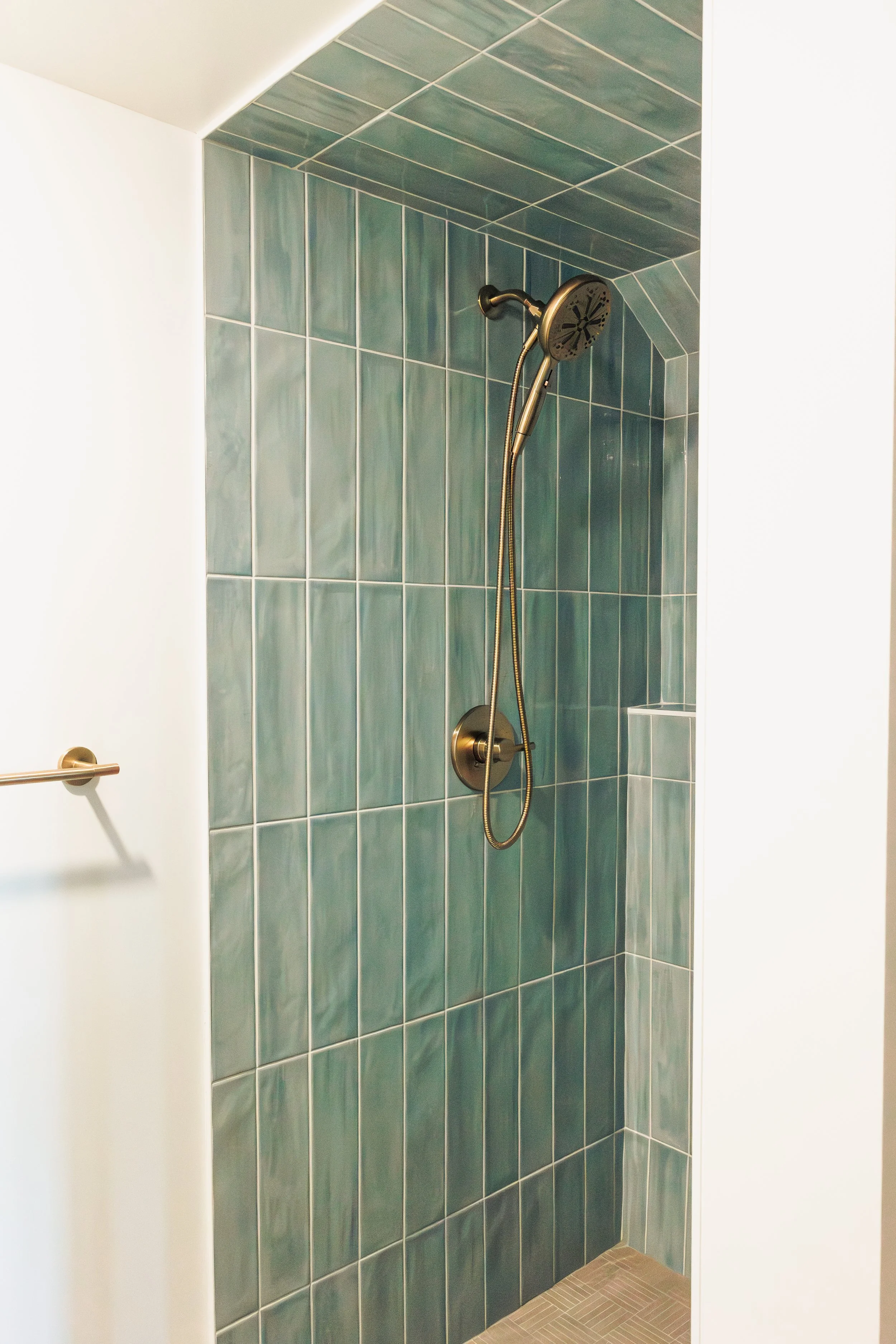
12. Small but Mighty: A Clever Under-Stair Shower in This Colorado Basement Remodel

When it comes to basement remodeling in Colorado, smart design choices can make all the difference—especially when working with tight spaces. This compact yet stunning shower is a perfect example of how thoughtful craftsmanship and creative use of space can deliver major style and functionality, even in the most unexpected corners of a home.

Tucked beneath a staircase, this under-stair shower turns what could have been wasted square footage into a fully functional and visually impactful bathroom feature. It’s a testament to the kind of intentional, space-maximizing design that elevates the standard Colorado basement renovation.

The first thing you notice is the gorgeous vertical teal tile—a bold, refreshing choice that instantly transforms the space. Laid in a clean, stacked pattern, the tile draws the eye upward, giving the illusion of height while enhancing the cozy geometry of the sloped ceiling. With subtle tonal variations, it reflects light beautifully and brings an organic, spa-like feel to the room.

Brushed brass fixtures offer a warm contrast to the cool tones of the tile. The handheld showerhead adds versatility and ease of use, while the minimalist design keeps the look sleek and modern. It's all anchored by a simple, neutral floor tile laid in a grid pattern—an understated choice that balances the visual richness of the wall tiles.

Despite its small footprint, the shower includes a built-in corner niche—an essential feature that provides practical storage for soap and shampoo without cluttering the space. Every square inch is carefully considered, proving that luxury and convenience aren’t limited by size.

What really sets this shower apart is its clever integration into the architectural layout. Stairwells often present design challenges in basement remodels, but this project turns that challenge into a unique design opportunity. By using the space under the stairs, the remodel not only maximizes square footage but also adds value and utility to the overall basement floor plan.

This kind of attention to detail is what defines successful Colorado basement remodeling projects. Whether you're adding a guest suite, a home gym, or simply want an additional bathroom that doesn’t sacrifice on style, smart builds like this one make it all possible.

In a state like Colorado where finished basements are essential to making the most of your home year-round, this compact under-stair shower proves you don’t need a sprawling footprint to achieve big results. With the right team and a creative approach, even the most unconventional corners can be transformed into beautiful, functional spaces.

So if you're dreaming of a basement renovation that’s as smart as it is stunning, take inspiration from this small but mighty shower—and imagine what’s possible beneath your own stairs.

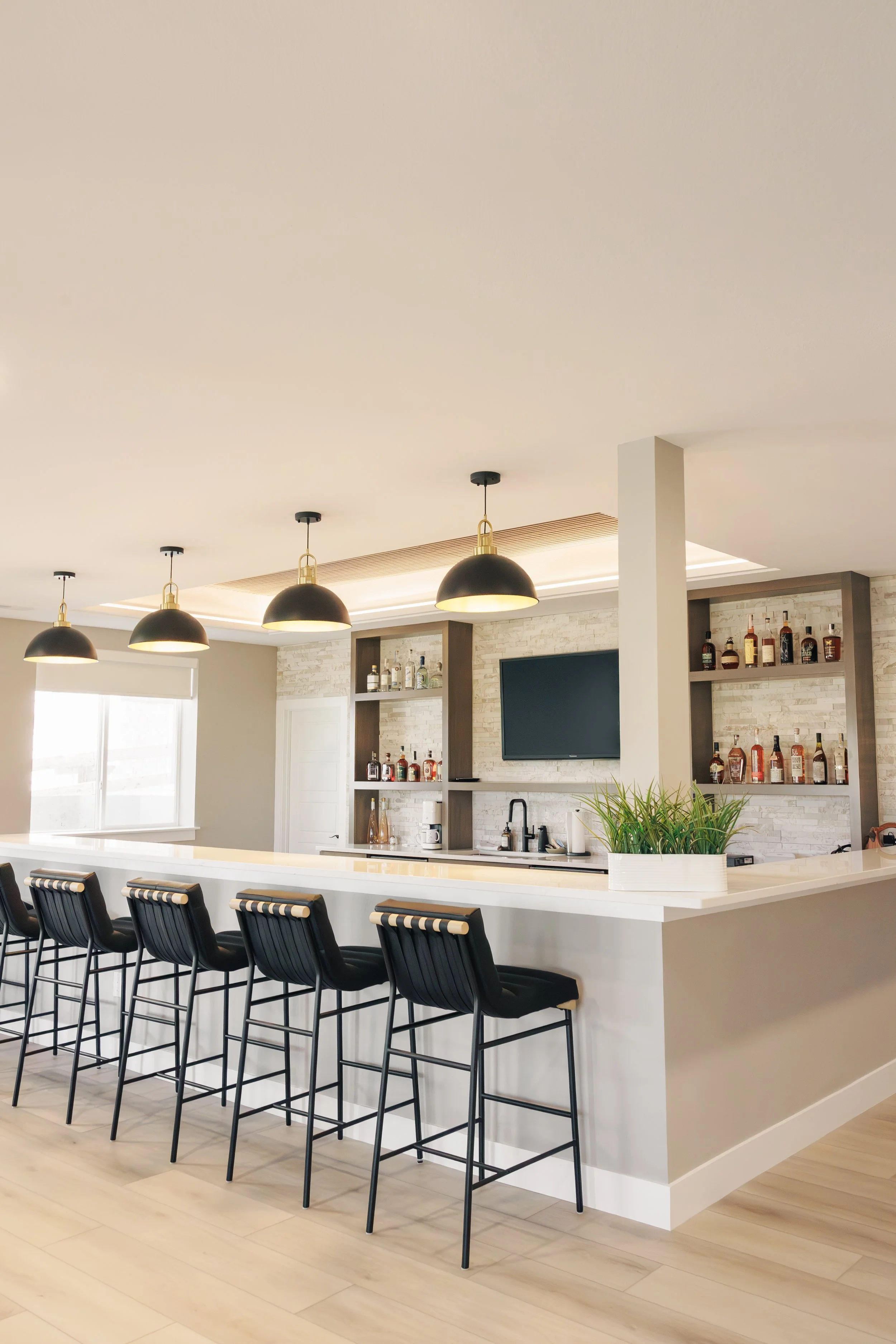
11. Modern Luxury Meets Function in This Custom Basement Wet Bar

If you're exploring basement remodeling in Colorado, this custom basement wet bar is a stunning example of how you can transform an underutilized space into a high-end, functional retreat. Designed with both style and practicality in mind, this wet bar kitchen showcases the best of modern basement design trends—perfect for homeowners looking to add value and comfort to their homes.

The centerpiece of this basement renovation is the large wet bar kitchen, which stretches across one side of the space with a sleek, white quartz countertop and waterfall edges. The spacious bar seats seven, with contemporary black bar stools that feature wood accents—blending rustic charm with modern sophistication. Whether you're hosting a party or enjoying a quiet night in, this bar setup is ideal for entertaining in style.

One of the most eye-catching features of this Colorado basement remodel is the stacked stone accent wall behind the bar. Its soft, neutral tones and textured surface bring depth and warmth to the space, offering a stunning contrast to the smooth finishes throughout the bar. The wall includes custom-built wood shelving, perfect for showcasing a liquor collection or adding decorative flair. These open shelves provide both accessibility and elegance, making them a key feature in this basement transformation.

Central to the entertainment experience is a mounted flat-screen TV, flanked by shelving and installed directly over the prep area. Beneath it, you’ll find a fully functional wet bar setup complete with a sink, beverage cooler, and coffee station. This space functions as a full-service kitchen—an important feature for anyone planning a Colorado basement renovation that adds real livable square footage.

The ambiance is further elevated by a beautifully lighted tray ceiling that draws the eye upward and sets a sophisticated tone. Recessed LED lighting paired with matte black and brass pendant lights provides both mood lighting and task lighting—essential elements in any modern basement bar remodel.

The light wood flooring adds warmth and balances the cooler elements of the design, grounding the room and enhancing the overall welcoming vibe. The color palette, a blend of whites, warm grays, and dark accents, keeps the space feeling open and contemporary—ideal for Colorado homes that value both coziness and design-forward aesthetics.

This project demonstrates exactly what’s possible when you invest in professional basement remodeling in Colorado. It’s more than just a bar—it’s a lifestyle upgrade that enhances your home's entertainment potential while increasing its resale value.

Whether you're in Denver, Boulder, Colorado Springs, or anywhere in between, this basement wet bar is the perfect inspiration for your next renovation. From high-end finishes to functional design, it proves that your basement can be just as beautiful and functional as the rest of your home.

10. Transform Your Denver Kitchen with These Modern Design Ideas

Modern kitchen design trends in Denver blend functionality with contemporary aesthetics, reflecting the city's diverse architectural styles and homeowner preferences. Whether you're planning a complete kitchen overhaul or seeking inspiration for minor updates, explore these modern design ideas to create a stylish and functional kitchen space tailored to Denver living.

Open Concept Layouts

Embrace open concept layouts that integrate the kitchen with adjacent living or dining areas, promoting connectivity and a seamless flow between spaces. Remove walls or partitions to create an expansive layout that enhances natural light and facilitates social interactions during gatherings.

Sleek Cabinetry and Minimalist Finishes

Opt for sleek, handle-less cabinetry and minimalist finishes to achieve a clean and streamlined look in your Denver kitchen. Choose materials like matte or high-gloss laminates, metal accents, or natural wood veneers that complement contemporary design aesthetics and offer durability.

Quartz Countertops and Statement Islands

Invest in quartz countertops known for their durability, low maintenance, and aesthetic versatility. Consider incorporating a statement island with waterfall edges or contrasting materials to serve as a focal point while providing additional workspace and storage options.

Smart Appliances and Integrated Technology

Integrate smart appliances and technology into your Denver kitchen to enhance convenience and efficiency. Explore features such as touchscreen interfaces, voice-activated controls, and energy-efficient appliances that align with modern lifestyles and promote sustainability.

Industrial-Inspired Elements

Incorporate industrial-inspired elements such as exposed brick walls, metal accents, or concrete countertops to add a touch of urban sophistication to your Denver kitchen. Mix textures and materials for a contemporary yet rugged aesthetic that complements the city's industrial heritage.

Natural Light and Biophilic Design

Maximize natural light in your Denver kitchen by strategically placing windows, skylights, or glass doors. Embrace biophilic design principles by incorporating indoor plants, natural materials, and earthy color palettes that connect your kitchen to Denver's outdoor landscapes.

Custom Storage Solutions

Customize storage solutions to maximize organization and efficiency in your Denver kitchen. Install pull-out shelves, drawer organizers, and integrated pantry systems tailored to your specific needs and culinary preferences.

Artistic Backsplashes and Bold Accents

Make a statement with artistic backsplashes featuring patterned tiles, textured finishes, or vibrant colors that add visual interest to your Denver kitchen. Incorporate bold accents through lighting fixtures, decorative accessories, or statement artwork to personalize your space.

Consulting with Design Professionals

Collaborate with experienced kitchen designers and contractors in Denver to bring your modern kitchen design ideas to life. Discuss your vision, budget, and lifestyle requirements to create a customized plan that optimizes space, functionality, and aesthetic appeal.

Conclusion

By embracing modern design ideas tailored to Denver living, you can transform your kitchen into a stylish and functional space that reflects your personal style and enhances your home's value. Whether you prefer open concept layouts, sleek finishes, smart technology, or industrial-inspired elements, incorporating these trends will elevate your kitchen to new heights of contemporary elegance and efficiency.

9. The Cost of Bathroom Remodeling in Denver: What to Expect

Understanding the cost factors involved in bathroom remodeling in Denver is crucial for planning a successful renovation project within your budget. From materials and labor to permits and design choices, this blog explores key considerations to help you estimate and manage the costs effectively.

Factors Influencing Costs

Several factors contribute to the overall cost of bathroom remodeling in Denver:

  • Size and Scope: The size of your bathroom and the complexity of the project significantly impact costs. Larger bathrooms or projects requiring structural changes typically require more materials and labor, resulting in higher expenses.

  • Materials: The choice of materials—from tiles and countertops to fixtures and cabinetry—affects the overall cost. Opting for high-end materials or custom designs will increase expenses, whereas budget-friendly alternatives can help lower costs.

  • Labor Costs: Labor costs in Denver can vary based on the contractor's experience, project timeline, and scope of work. Skilled tradespeople, such as plumbers and electricians, may charge higher rates for specialized services.

  • Permits and Regulations: Certain renovations, such as plumbing or electrical work, may require permits from local authorities in Denver. Factor in permit fees and potential inspection costs when budgeting for your remodel.

Average Cost Breakdown

While costs can vary widely based on individual project requirements, here's a general breakdown of average expenses for bathroom remodeling in Denver:

  • Basic Kids/Hall Bathroom Remodel: $15,000 to $25,000

  • Mid-Range Master Bathroom Remodel: $35,000 to $45,000

  • High-End Master Bathroom Remodel: $55,000 and above

These estimates include materials, labor, permits, and other associated costs. Custom features, intricate designs, and premium materials can push costs higher, so it's essential to prioritize your project goals and budget accordingly.

Cost-Saving Tips

Explore cost-saving strategies to achieve your desired bathroom remodel without exceeding your budget:

  • Prioritize Upgrades: Focus on essential upgrades that improve functionality and aesthetics within your budget constraints.

  • Reuse and Repurpose: Salvage and refinish existing fixtures or materials where possible to reduce costs.

  • Compare Quotes: Obtain multiple quotes from reputable contractors in Denver to compare pricing and negotiate favorable terms.

  • DIY vs. Professional Services: Consider tackling simpler tasks as DIY projects to save on labor costs, but enlist professional help for complex renovations to ensure quality and compliance with building codes.

Planning and Budgeting

Create a detailed budget outlining expenses for materials, labor, permits, and contingency funds. Allocate resources based on project priorities and explore financing options if needed. Consult with experienced contractors or designers in Denver to develop a realistic budget and timeline that aligns with your renovation goals.

Conclusion

By understanding the cost factors, average expenses, and cost-saving tips associated with bathroom remodeling in Denver, you can approach your project with confidence and clarity. Whether you're planning a basic update or a luxurious renovation, careful planning and informed decision-making will help you achieve a beautiful and functional bathroom that enhances your home's value and meets your lifestyle needs.

8. Top 5 Custom Kitchen Cabinet Designs for Denver Homes

Custom kitchen cabinets play a pivotal role in both the functionality and aesthetics of your Denver home. Tailoring cabinetry designs to suit your specific needs and preferences can elevate the overall look of your kitchen while optimizing storage and organization. Explore five popular custom cabinet designs that are perfect for Denver homeowners seeking style and practicality in their kitchen remodels.

1. Shaker Style Cabinets

Shaker-style cabinets are a timeless choice characterized by their clean lines, recessed panel doors, and minimalist design. Popular in Denver homes for their versatility and understated elegance, Shaker cabinets blend seamlessly with various kitchen aesthetics, from traditional to contemporary.

2. Flat Panel Cabinets

Also known as slab or minimalist cabinets, flat-panel designs feature sleek, flat surfaces without ornate detailing or embellishments. Denver homeowners appreciate flat-panel cabinets for their modern appeal, clean aesthetics, and ability to create a streamlined look in kitchens with a minimalist or industrial style.

3. Glass Front Cabinets

Introduce a touch of sophistication and visual interest to your Denver kitchen with glass-front cabinets. These cabinets typically feature glass panels on one or more doors, allowing you to showcase decorative items, glassware, or collectibles while adding an open and airy feel to your kitchen space.

4. Custom Color Cabinets

Personalize your kitchen with custom color cabinets that reflect your style and complement your home's interior palette. In Denver, homeowners often opt for custom colors inspired by the region's natural surroundings, such as earth tones, soft grays, or rich wood finishes, to create a warm and inviting atmosphere.

5. Two-Tone Cabinets

Create visual contrast and dimension in your Denver kitchen with two-tone cabinet designs. Pairing different colors or finishes for upper and lower cabinets or incorporating an accent island can add depth and character to your kitchen while highlighting architectural details and focal points.

Choosing Quality Materials

Select high-quality materials such as hardwoods, plywood, or sustainable options like bamboo or reclaimed wood for your custom cabinets. Consider durable finishes that resist moisture, stains, and daily wear to ensure longevity and maintain the beauty of your kitchen cabinetry over time.

Consulting with Cabinet Design Specialists

Work with experienced cabinet designers and craftsmen in Denver to create custom solutions tailored to your kitchen's layout and functionality. Discuss your storage needs, aesthetic preferences, and budget considerations to develop personalized cabinet designs that optimize space and enhance your overall kitchen experience.

Conclusion

Custom kitchen cabinets offer Denver homeowners a unique opportunity to personalize their kitchen remodels while maximizing functionality and visual appeal. Whether you prefer timeless Shaker-style cabinets, sleek flat-panel designs, or innovative glass-front options, investing in custom cabinetry can transform your kitchen into a stylish and efficient space that reflects your individual taste and enhances your home's value.

7. Energy-Efficient Bathroom Upgrades for Denver Homes

Embracing energy-efficient upgrades during your bathroom remodel in Denver not only enhances sustainability but also helps reduce utility costs and improve overall comfort. From innovative fixtures to eco-friendly materials, discover ways to create a greener and more efficient bathroom space tailored to Denver's environmental standards.

Choosing Energy-Efficient Fixtures

Opt for WaterSense-labeled fixtures such as faucets, showerheads, and toilets that are designed to conserve water without sacrificing performance. Denver homeowners can benefit from these fixtures, which help reduce water usage and lower monthly utility bills while supporting local conservation efforts.

Installing LED Lighting

Upgrade to energy-efficient LED lighting fixtures to enhance visibility and ambiance in your bathroom. LED lights consume less energy than traditional incandescent bulbs and have a longer lifespan, making them a cost-effective choice for illuminating your space while reducing your carbon footprint.

Investing in High-Efficiency Appliances

Replace outdated bathroom appliances with energy-efficient models that are ENERGY STAR certified. Look for water heaters, ventilation fans, and heated towel racks that are designed to operate efficiently and contribute to overall energy savings in your Denver home.

Insulating and Sealing

Improve insulation around pipes, windows, and doors to prevent heat loss and maintain comfortable temperatures in your bathroom throughout the year. Proper insulation reduces energy consumption and enhances the efficiency of your heating and cooling systems, benefiting both your wallet and the environment.

Utilizing Sustainable Materials

Choose sustainable materials such as bamboo flooring, reclaimed wood vanities, and recycled glass tiles for your bathroom remodel in Denver. These eco-friendly options minimize environmental impact while adding unique texture and character to your space.

Incorporating Passive Solar Design

Take advantage of Denver's abundant sunlight by incorporating passive solar design principles into your bathroom remodel. Position windows strategically to maximize natural light and warmth, reducing reliance on artificial lighting and heating during daylight hours.

Monitoring Water Usage

Install water-saving devices like aerators and flow restrictors on faucets and showerheads to regulate water flow without compromising performance. Monitor water usage habits and encourage family members to practice responsible water conservation practices to further reduce your household's environmental footprint.

Consulting with Eco-Friendly Design Experts

Collaborate with experienced designers and contractors specializing in sustainable bathroom remodels in Denver. Seek their expertise in selecting eco-friendly materials, implementing energy-efficient strategies, and achieving a balance between environmental responsibility and aesthetic appeal.

Conclusion

By incorporating energy-efficient upgrades and sustainable design principles into your bathroom remodel in Denver, you can create a greener, more efficient space that enhances comfort, reduces operating costs, and contributes to a healthier environment. Whether you're updating fixtures, improving insulation, or choosing eco-friendly materials, these enhancements can make a positive impact on your home and community while aligning with Denver's commitment to sustainability.